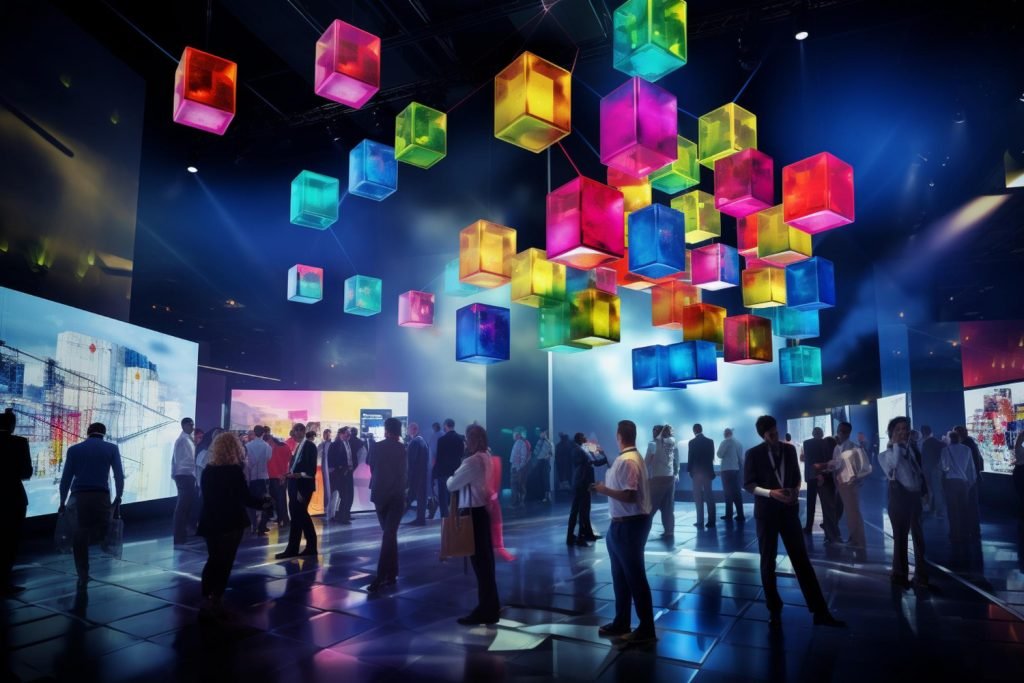


In a world where people are exposed to thousands of ads every single day, attention has become the most valuable currency. Consumers no longer respond to traditional advertising the way they once did. Banner ads are ignored, TV commercials are skipped, and social media ads are scrolled past within seconds.
This shift has forced brands to rethink how they connect with audiences—not just how they promote products, but how they create meaning, emotion, and memory.
This is where brand activation comes in.
Brand activation is not about shouting louder. It is about inviting people in. Instead of telling audiences what a brand stands for, activation allows them to experience it firsthand. The difference is subtle but powerful: people remember experiences far longer than messages.
Today, brand activation has become one of the most effective ways for brands to cut through noise, build trust, and drive real engagement in both physical and digital spaces.

What Is Brand Activation?
Brand activation is a marketing approach that focuses on creating direct, meaningful interactions between a brand and its audience. Its goal is not just awareness, but help people experience the brand’s value, personality, and promise in real life.
Unlike traditional advertising—which is often passive—brand activation is participatory. It encourages people to touch, feel, interact, and engage emotionally with a brand.
At its core, brand activation answers one question:
How can a brand turn attention into experience, and experience into loyalty?
Brand activation can take many forms, including live events, experiential booths, pop-up installations, interactive campaigns, digital activations, and hybrid online-offline experiences.
Brand Activation vs Traditional Marketing
Traditional marketing is designed to communicate. Brand activation helps people connect.
Traditional advertising often focuses on reach, frequency, and impressions. Brand activation focuses on engagement, memory, and emotional response.
A billboard may tell you about a product.
A brand activation lets you experience why that product matters.
This difference explains why many brands now shift budgets away from pure media buying and toward experiential and activation-driven campaigns.
The Core Purpose of Brand Activation
Brand activation is not a single tactic—it is a strategic tool designed to achieve specific outcomes.
The main purposes include:
- Creating Emotional Connection
Experiences trigger emotions, and emotions drive memory. When people feel something positive about a brand, they are more likely to remember and trust it. - Driving Engagement, Not Just Awareness
Awareness alone does not guarantee action. Activation encourages participation, conversation, and sharing. - Turning Audiences into Participants
When people actively engage with a brand, they stop being passive consumers and become part of the story. - Supporting User Acquisition and Conversion
Well-designed activations often lead directly to sign-ups, trials, purchases, or data capture. - Building Long-Term Brand Equity
Memorable experiences shape how people perceive a brand long after the campaign ends.
Types of Brand Activation
Brand activation can be executed in many formats, depending on the brand’s objectives and audience.
Experiential Marketing Campaigns
Experiential marketing focuses on immersive, interactive experiences that allow audiences to engage with a brand in real time. These campaigns often involve storytelling, sensory design, and emotional triggers.
They are especially effective for product launches, rebranding, and cultural moments.
Event & Booth Activations
Event-based brand activation remains one of the most powerful formats. Whether at trade shows, exhibitions, malls, or festivals, booths and installations become physical touchpoints where brands meet people face-to-face.
Successful booth activations go beyond visual design. They integrate interaction, flow, staff experience, and clear calls-to-action.
Pop-Up Experiences
Pop-ups create urgency and exclusivity. Their temporary nature makes them feel special, encouraging foot traffic and social sharing.
Pop-up brand activations are often used to test markets, launch limited editions, or connect with niche communities.
Digital & Hybrid Activations
Brand activation is no longer limited to physical spaces. Digital platforms, AR, AI, and gamified experiences now play a major role in extending reach and engagement.
Hybrid activations connect offline experiences with online platforms, allowing brands to capture data, continue conversations, and build communities beyond the event.
Why Brand Activation Works
Brand activation works because it aligns with how humans naturally process information and emotion.
People remember stories better than slogans.
They remember experiences better than advertisements.
Psychologically, active participation increases emotional investment. When someone interacts with a brand directly, they are more likely to feel ownership and affinity.
Brand activation also benefits from social amplification. Experiences are designed to be shareable, turning participants into organic brand advocates.
Brand Activation in the Experience Economy
We now live in what many call the experience economy, where people value experiences as much as—or more than—products themselves.
Consumers are not just buying items; they are buying moments, identity, and meaning. Brands that understand this shift design activations that align with lifestyle, culture, and emotion rather than pure promotion.
This is why brand activation has become essential across industries, from technology and lifestyle to finance, entertainment, and retail.
Measuring the Success of Brand Activation
One common misconception is that brand activation cannot be measured. In reality, modern activations are highly measurable when designed correctly.
Key metrics often include:
- Engagement time
- Participation rate
- User sign-ups or leads
- Content shares and mentions
- Foot traffic
- Conversion after experience
- Brand recall and sentiment
The key is to align metrics with objectives before execution. Brand activation is not about vanity metrics—it is about meaningful impact.
Brand Activation and User Acquisition
One of the strongest advantages of brand activation is its ability to support user acquisition in a more organic way.
Rather than asking people to trust a brand through ads, activation allows them to experience value first. This reduces friction and increases conversion quality.
Many successful campaigns integrate registration systems, QR codes, AI assistants, or digital platforms to capture users seamlessly during or after the experience.
The Role of Design in Brand Activation
Design is the backbone of any successful brand activation.
From spatial layout and visual identity to UX flow and interaction design, every element shapes how people feel and behave within the experience.
Good design guides attention.
Great design creates emotion.
Brand activation design must consider human behavior, movement, curiosity, and comfort. It is not decoration—it is strategy.
Common Mistakes in Brand Activation
Despite its power, brand activation often fails when poorly executed.
Common mistakes include:
- Focusing on visuals without interaction
- Lacking a clear objective or CTA
- Overcomplicating the experience
- Ignoring staff training and flow
- Treating activation as a one-off event instead of part of a larger journey
Successful brand activation is never accidental—it is carefully designed, tested, and refined.
The Future of Brand Activation
As technology evolves, brand activation will continue to expand beyond physical boundaries.
AI-driven personalization, immersive environments, and data-powered experiences will allow brands to create deeper, more relevant connections.
However, the core principle will remain the same:
people remember how a brand made them feel.
The brands that win in the future will not be those that advertise the most, but those that create the most meaningful experiences.
Brand Activation Is No Longer Optional
Brand activation is no longer a “nice-to-have” marketing tactic. It is a strategic necessity for brands that want to build relevance, trust, and loyalty in a crowded world.
In an era where attention is scarce and skepticism is high, experience is the most powerful message a brand can deliver.
The question is no longer whether brands should invest in activation—but how well they design and execute it.