


Why Experiential Marketing Matters More Than Ever
Consumers today are surrounded by ads. Digital banners, social media posts, influencer content, and algorithm-driven campaigns compete for attention every second. Yet despite this constant exposure, brand recall and emotional connection continue to decline.
This is where experiential marketing comes in.
Experiential marketing shifts the focus from telling people about a brand to letting them experience it. Instead of passive consumption, audiences become participants. Instead of impressions, brands create memories.
In an era where attention is fragmented and trust is fragile, experiential marketing has become one of the most powerful tools for brands seeking meaningful engagement and long-term loyalty.
This article explains what experiential marketing truly is, why it works, how brands execute it effectively, and how it fits into modern digital and omnichannel strategies.
What Is Experiential Marketing?
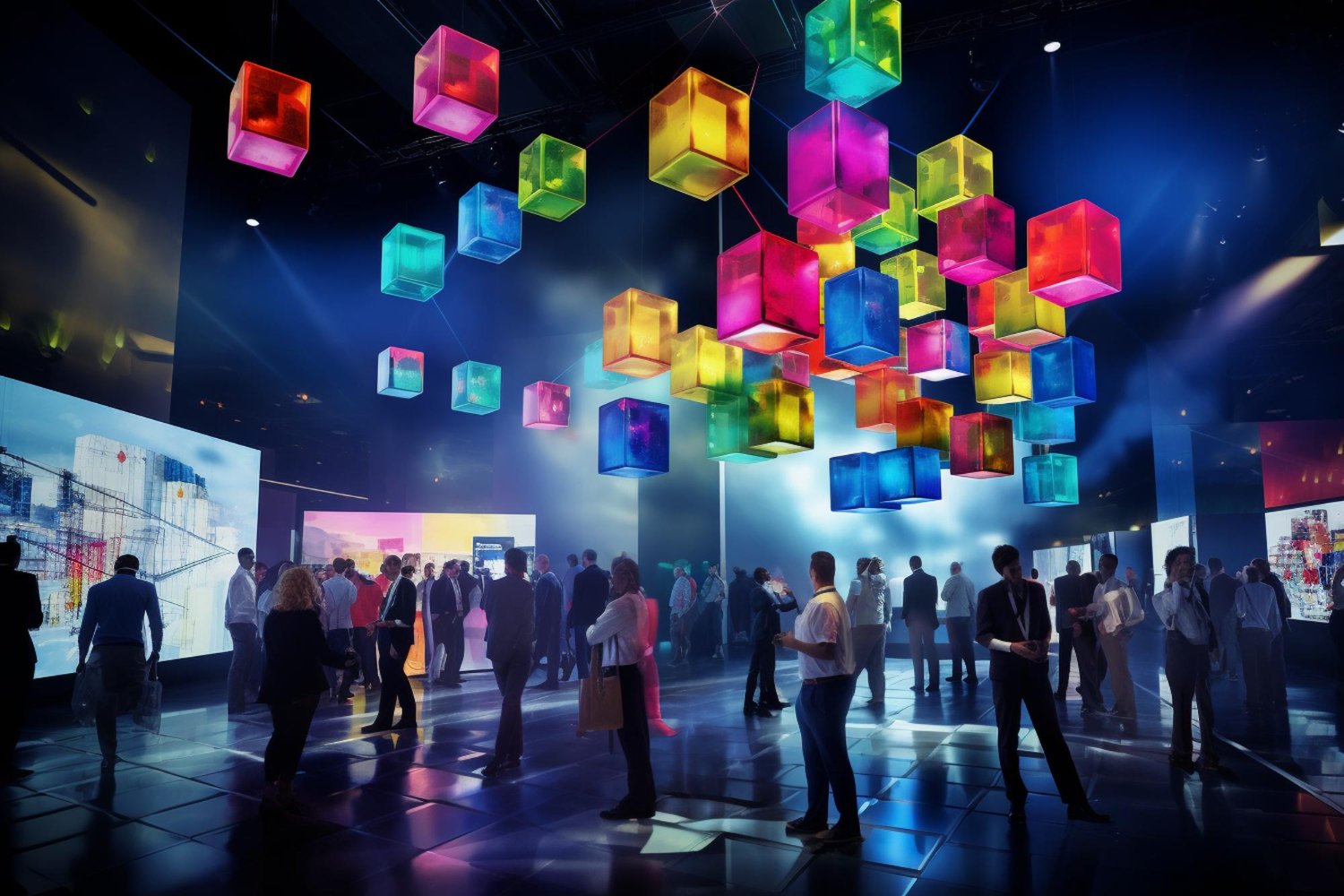
Experiential marketing is a strategy that engages consumers through immersive, interactive, and memorable brand experiences. Rather than pushing a message, it invites people to participate in a story, environment, or activity that reflects the brand’s identity and values.
Experiential marketing can take many forms:
- Live events and brand activations
- Interactive booths and pop-up installations
- Immersive environments (physical or digital)
- Gamified experiences
- Hybrid online–offline campaigns
At its core, experiential marketing is about creating emotional connections between people and brands.
Experiential Marketing vs Traditional Marketing
Traditional marketing focuses on reach, frequency, and message delivery. Experiential marketing focuses on engagement, participation, and emotion.
Traditional marketing asks:
“How many people saw this?”
Experiential marketing asks:
“How did people feel, and what did they do next?”
While traditional marketing is often transactional, experiential marketing is relational. It prioritizes depth over volume and long-term brand equity over short-term impressions.
Why Experiential Marketing Works
Experiential marketing works because it aligns with how humans naturally learn and remember.
People remember experiences more than messages. When audiences physically or emotionally interact with a brand, multiple senses are engaged—sight, sound, touch, and even social interaction.
This leads to:
- Higher brand recall
- Stronger emotional attachment
- Increased word-of-mouth sharing
- Higher intent to purchase
- Deeper brand trust
In a digital-first world, real-world and interactive experiences stand out precisely because they feel human.
The Psychology Behind Experiential Marketing
Experiential marketing taps into several psychological principles:
Emotional Memory
Experiences trigger emotions, and emotions strengthen memory. A brand associated with excitement, curiosity, or joy becomes more memorable.
Participation Effect
When people actively participate, they feel ownership. This increases personal relevance and brand affinity.
Social Proof
Experiential campaigns are inherently shareable. When people share experiences, they validate the brand socially.
Sensory Engagement
Multi-sensory experiences increase cognitive processing and emotional resonance.
These psychological factors make experiential marketing one of the most effective brand-building strategies available today.
Types of Experiential Marketing
Brand Activations
Brand activations bring products or services to life through interactive moments. These often include demos, trials, or creative interactions that allow users to experience value firsthand.
Event Marketing
Live events, launches, and private gatherings create exclusivity and community. Events allow brands to connect directly with their audience in controlled, immersive environments.
Pop-Ups and Booth Installations
Temporary physical spaces designed to capture attention and invite interaction. Booths combine design, storytelling, and user engagement in high-traffic environments.
Experiential Retail
Retail spaces transformed into immersive brand environments rather than transactional stores.
Digital and Hybrid Experiences
Experiential marketing now extends beyond physical spaces into digital platforms, combining online interaction with real-world touchpoints.
Experiential Marketing in the Digital Age
Modern experiential marketing does not replace digital marketing—it enhances it.
Successful campaigns integrate:
- Social media amplification
- QR codes and mobile interactions
- Gamification and digital rewards
- Data collection and CRM integration
- Post-event content and retargeting
This creates a seamless journey from experience to engagement to conversion.
Experiential Marketing and Brand Storytelling
Experiential marketing is storytelling in action.
Instead of telling people what a brand stands for, the experience demonstrates it. Every design choice, interaction, and detail reinforces the narrative.
Great experiential campaigns answer these questions:
- What story are we telling?
- What role does the user play in this story?
- How does this experience reflect the brand’s values?
When storytelling is embedded into the experience, brands become memorable rather than forgettable.
Measuring the Impact of Experiential Marketing
One common misconception is that experiential marketing is difficult to measure. In reality, modern campaigns are highly measurable when designed strategically.
Key metrics include:
- Engagement time
- Participation rates
- Social shares and UGC
- Lead generation
- Conversion uplift
- Brand sentiment
- Post-event behavior
By integrating technology, experiential marketing becomes both emotional and data-driven.
Experiential Marketing for Different Industries
Consumer Brands
Drive awareness, trial, and emotional connection.
Technology & AI Products
Explain complex products through interactive demos and guided experiences.
Entertainment & Gaming
Create immersive worlds that extend beyond screens.
Financial & Enterprise Brands
Humanize complex services through approachable, trust-building experiences.
Common Mistakes in Experiential Marketing
Designing for Aesthetics Only
Beautiful spaces without interaction fail to engage.
Ignoring User Flow
Experiences must be intuitive, not confusing.
Lack of Clear Objectives
Every experience should align with a business goal.
No Post-Experience Strategy
Experiences should not end when the event ends.
Experiential Marketing as a Long-Term Brand Strategy
Experiential marketing is not a one-off tactic. It is a strategic investment in brand equity.
Brands that consistently create meaningful experiences build communities, not just audiences.
In an experience-driven economy, how a brand makes people feel matters more than what it says.
The Future of Experiential Marketing
Experiential marketing will continue to evolve with:
- AI-powered personalization
- Immersive digital environments
- Gamification and interactive storytelling
- Data-driven experience design
- Hybrid physical–digital ecosystems
The brands that succeed will be those that design experiences, not just campaigns.
Why Experiential Marketing Is the New Standard
Experiential marketing is no longer optional. It is the response to a world saturated with messages and starving for meaning.
By creating immersive, interactive, and human-centered experiences, brands move beyond awareness and into relationships.
In a digital-first world, real experiences create real impact.